

 Image 1 of 2
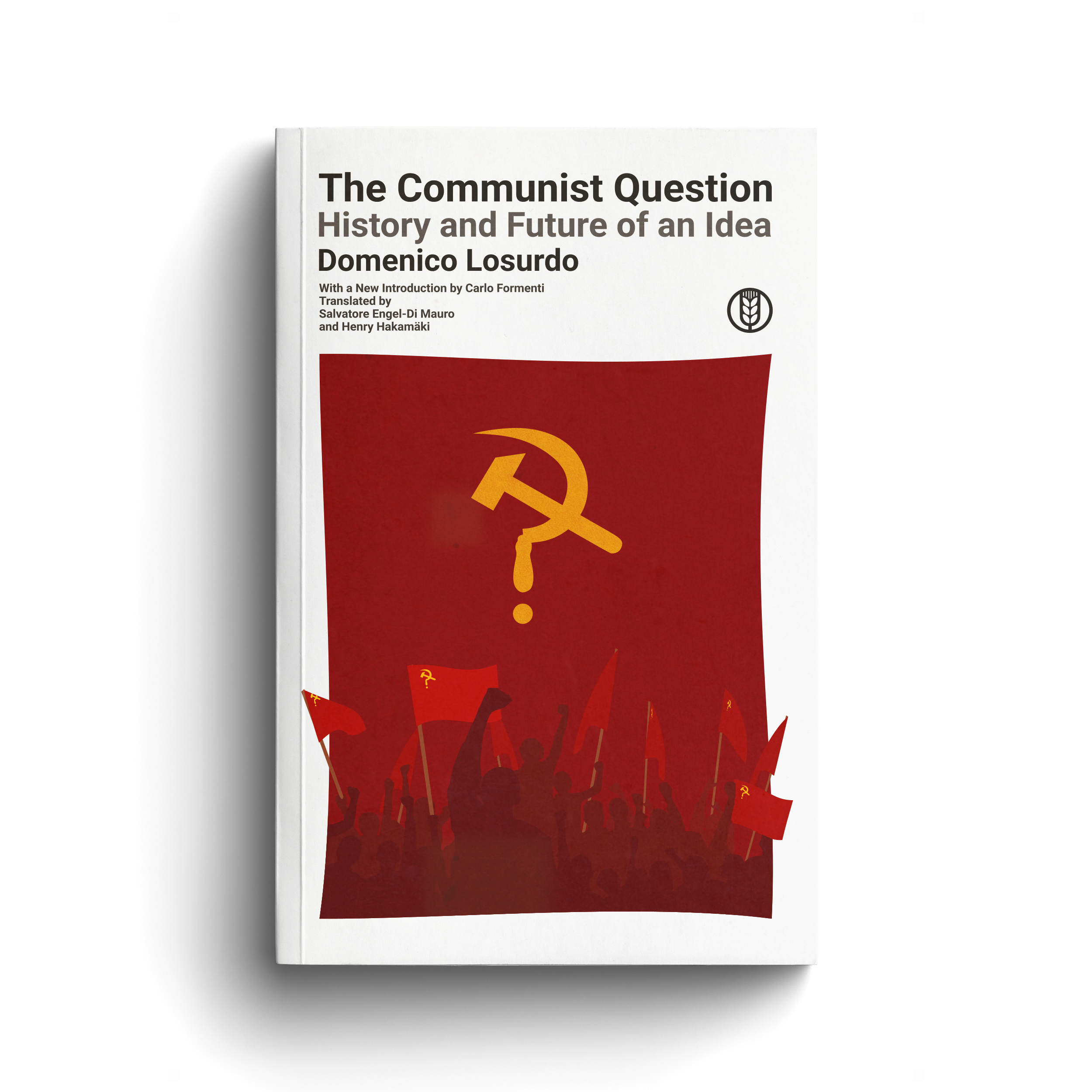 Image 2 of 2
🌏 For international or multiple title direct orders, please fill out this form or email inquiries@iskrabooks.org.
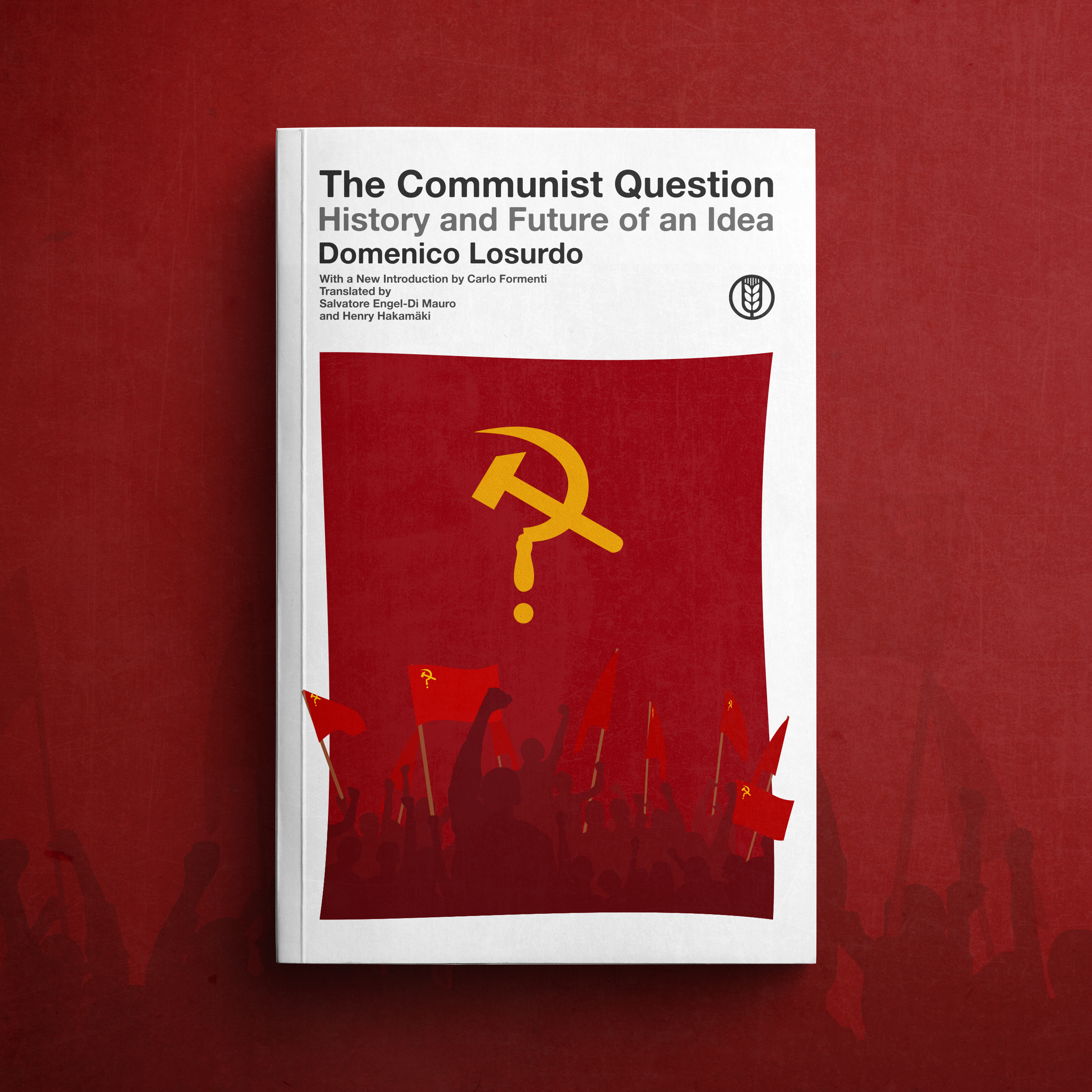
Written by Domenico Losurdo.
With a New Introduction by Carlo Formenti.
Translated by Henry Hakamäki and Salvatore Engel-Di Mauro.
ISBN-13: 9798182940412 (Softcover)
236 pages
Publication Date: 20 November 2026
Part of the Anti-Imperialist Marxism (AIM) Series.
The final work of Domenico Losurdo, one of the foremost philosophers and historians of Marxism of the modern era. The Communist Question: History and Future of an Idea continues and develops the critique that began in Western Marxism: How it was Born, How it Died, How it can be Reborn (2025).
In the wake of the USSR’s dissolution, Marxism, in particular the variant Losurdo identifies as “Western Marxism,” has entered a seemingly irreversible crisis. Persuasively arguing that this outcome is not inevitable, Losurdo undertakes a non-apologetic historical and philosophical evaluation of the Soviet experience and of Marxism in its entirety. Extending the inquiry, and with an eye on contemporary developments such as Marxist theory and practice in the People’s Republic of China, Losurdo assesses the theoretical and practical prospects Marxism retains and asks what it can build in the future.